
Books to Read in Your 20s — Shape Your Future
Your twenties define the rest of your life. These books give you the frameworks for making smart decisions about career, money, relationships, and identity.

 10 min read
Rich Dad Poor Dad
by Robert Kiyosaki
Why do some people work hard for decades and still feel financially trapped, while others build wealth that seems to grow on its own? In Rich Dad Poor Dad, Robert T. Kiyosaki tackles that question by challenging one of the most deeply accepted beliefs in modern life: that a good education, a stable job, and years of hard work automatically lead to financial security. Through the memorable contrast between his “poor dad,” a highly educated employee, and his “rich dad,” an entrepreneur and investor, Kiyosaki argues that the real divide is not income alone, but financial mindset and financial education. This book matters because it reframes money as a skill set, not just a salary. Instead of teaching readers to chase paychecks, it encourages them to understand assets, cash flow, taxes, business structures, and the emotional habits that shape financial decisions. Kiyosaki, best known for his Rich Dad series, became a leading voice in personal finance by making wealth-building concepts accessible to everyday readers. Whether you agree with all his views or not, the book remains influential because it pushes people to think differently about work, risk, and long-term freedom.
Key Takeaways
- 1Two Fathers: A Divide in Philosophy — At the heart of Rich Dad Poor Dad is a powerful contrast: two intelligent, well-meaning father figures offered Robert Ki…
- 2Childhood Lessons: Understanding the Game of Money — One of the book’s most memorable stories begins when Kiyosaki and his friend Mike ask Rich Dad how to become rich. Inste…
- 3The Misconception of Hard Work: Effort Doesn’t Equal Wealth — Kiyosaki challenges a deeply comforting myth: that hard work alone creates wealth. He does not dismiss effort; instead, …
 10 min read
Think and Grow Rich
by Napoleon Hill
What does it really take to build wealth, confidence, and lasting success when the odds have not always been in your favor? That is the central question behind this powerful adaptation of Think and Grow Rich. In this version, the familiar success principles popularized by Napoleon Hill are explored through the lived experiences, struggles, and achievements of African Americans who turned vision into accomplishment. The result is more than a motivational book. It is a practical guide to self-mastery, disciplined thinking, and purposeful action. What makes this book matter is its insistence that success is not reserved for the privileged or the fortunate. It begins in the mind, is strengthened by faith, and is made real through persistence, learning, and community. By grounding timeless success ideas in Black history and achievement, the book gives readers examples that feel concrete, relevant, and deeply inspiring. Dennis Kimbro, an American author, educator, and motivational speaker known for his work on leadership and achievement in the African American community, brings credibility and clarity to these ideas. His message is simple but transformative: greatness is not an exception in Black life. It is a legacy to be claimed and extended.
Key Takeaways
- 1Historical Context — Before ambition can feel believable, it has to be placed inside a truthful story. This chapter shows that for African Am…
- 2The Power of Thought — One of the book’s core beliefs is that success begins in the mind. Thoughts shape identity, expectations, and behavior l…
- 3Defining Desire and Purpose — Desire is more than wishing for a better life. In this book, it is presented as a focused, emotionally charged commitmen…
 10 min read
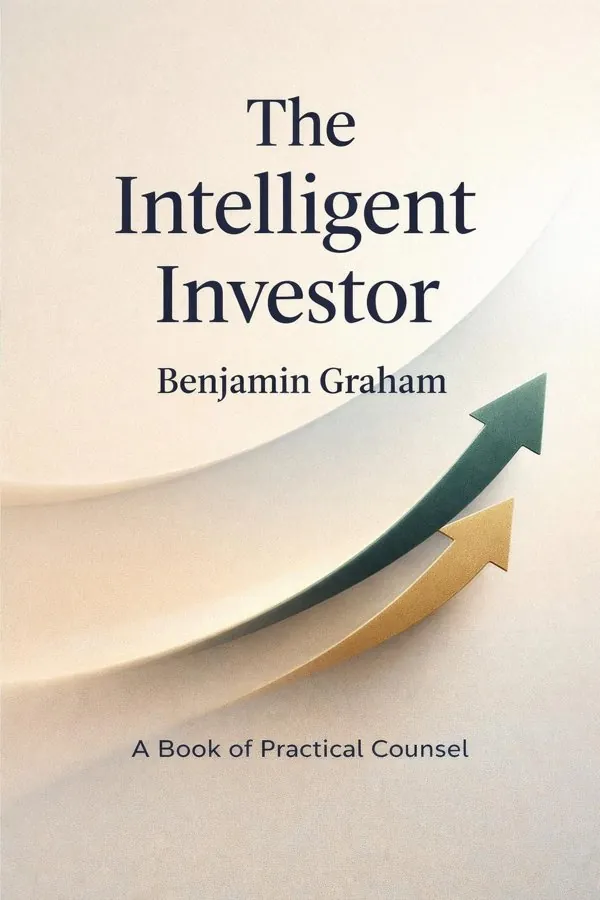
The Intelligent Investor
by Benjamin Graham
Why does one investor build durable wealth over decades while another repeatedly chases hot tips, panics in downturns, and ends up disappointed? Benjamin Graham’s The Intelligent Investor answers that question with unusual clarity. First published in 1949, this classic remains one of the most respected books on value investing because it focuses less on prediction and more on judgment, discipline, and protection against avoidable mistakes. Graham, widely regarded as the father of modern security analysis, wrote for ordinary investors who wanted a rational framework in a market often driven by noise, excitement, and fear. His advice is timeless precisely because human behavior in markets rarely changes. Instead of promising quick riches, he teaches readers how to think about risk, intrinsic value, portfolio construction, and emotional control. Concepts such as the margin of safety, the distinction between investment and speculation, and the famous allegory of Mr. Market have shaped generations of investors, including many professionals. If you want a practical philosophy for making smarter financial decisions and avoiding costly psychological traps, this book still matters enormously.
Key Takeaways
- 1The Difference Between Investment and Speculation — Graham begins with a deceptively simple but essential definition: an investment operation is one that, after thorough an…
- 2Defining the Intelligent Investor: Emotional Discipline — For Graham, intelligence in investing has little to do with IQ, advanced math, or market predictions. The intelligent in…
- 3Understanding Market Fluctuations: The Allegory of Mr. Market — One of Graham’s most memorable teaching tools is Mr. Market, an imaginary business partner who shows up every day offeri…
 10 min read
The 5 Love Languages
by Gary Chapman
Why do so many couples sincerely care about each other and still feel chronically misunderstood? That question sits at the heart of *The 5 Love Languages*, one of the most widely discussed relationship books of the modern era. In this practical guide, Gary Chapman argues that love is not only something we feel—it is also something we communicate. And like any form of communication, it can break down when two people are using different “languages.” One partner may show devotion through helpful actions, while the other is waiting for affectionate words or undivided attention. The result is frustration, loneliness, and the painful belief that love has faded when, in reality, it may simply be getting lost in translation. Chapman, an author, counselor, and pastor with a Ph.D. in adult education, draws on years of relationship work to offer a simple but powerful framework: words of affirmation, quality time, receiving gifts, acts of service, and physical touch. His core message is both hopeful and demanding: lasting love is possible, but it requires intention, empathy, and the willingness to love your partner in the way they most deeply receive it.
Key Takeaways
- 1The Need for Love — Chapman begins with a foundational claim: every person has an “emotional love tank” that needs to be filled. When that t…
- 2Falling in Love — The book draws a crucial distinction between the thrill of falling in love and the discipline of sustaining love. Early …
- 3Love Language 1 – Words of Affirmation — For some people, spoken and written words carry enormous emotional weight. Compliments, encouragement, appreciation, and…
 10 min read
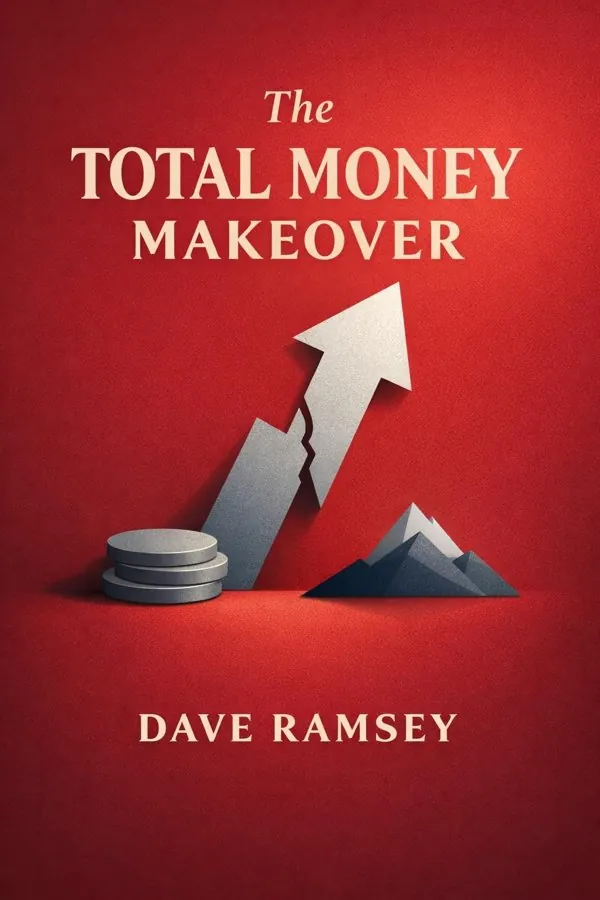
The Total Money Makeover
by Dave Ramsey
What if the biggest obstacle to building wealth isn’t your income, but the financial habits you’ve accepted as normal? In The Total Money Makeover, Dave Ramsey argues that long-term financial peace doesn’t come from clever investing, complicated budgeting apps, or chasing the perfect credit score. It comes from changing behavior, rejecting debt, and following a simple plan consistently. That message has made this book one of the most widely discussed personal finance guides for readers who feel stuck in a cycle of payments, money stress, and financial confusion. Ramsey’s approach is direct, sometimes blunt, but intentionally practical: stop borrowing, create a plan, build savings, and attack debt with intensity. The book matters because it translates personal finance into a clear sequence of steps ordinary people can follow, even if they’ve made years of money mistakes. As an author, entrepreneur, radio personality, and founder of Ramsey Solutions, Dave Ramsey is known for helping millions of people rethink how they earn, spend, save, and give. The result is a finance book built less on theory and more on behavior change that sticks.
Key Takeaways
- 1Denial and Debt Myths — Ramsey begins with a mindset shift: financial recovery starts when you stop pretending your money situation is “fine” an…
- 2The Importance of a Written Plan — A written budget is the operating system behind the entire Total Money Makeover. Ramsey insists that good intentions are…
- 3Step 1 – Save $1,000 Emergency Fund — The first Baby Step is intentionally small: save $1,000 as a starter emergency fund. Ramsey knows this amount won’t cove…
 10 min read
Men Are from Mars, Women Are from Venus
by John Gray
Why do loving couples so often end up feeling misunderstood? That question sits at the heart of Men Are from Mars, Women Are from Venus, one of the most widely recognized relationship books of the modern era. John Gray argues that many recurring conflicts in romance are not caused by bad intentions or lack of love, but by deep differences in how men and women often process stress, communicate needs, and interpret emotional signals. His famous metaphor—men as if from Mars and women as if from Venus—gives readers a simple way to understand why two caring people can experience the same moment so differently. What makes the book matter is its practicality. Rather than offering abstract theories, Gray focuses on everyday relationship pain points: one partner shuts down, the other wants to talk; one offers advice, the other feels unheard; one craves appreciation, the other needs reassurance. By naming these patterns, he helps couples replace blame with understanding. Gray, a relationship counselor, lecturer, and bestselling author of the Mars and Venus series, wrote this book as a guide for better communication and emotional connection. Whether you are dating, married, or trying to make sense of recurring tension, this book offers a vocabulary for turning frustration into empathy.
Key Takeaways
- 1Men Go to Their Caves, Women Seek Connection — One of the book’s most memorable ideas is that men and women often respond to stress in opposite ways. Gray says men ten…
- 2Speaking Different Languages: Empathy versus Solutions — Gray’s central communication insight is simple but powerful: many men show love by trying to solve problems, while many …
- 3Emotional Needs: Feeling Needed and Feeling Cherished — A major theme in the book is that love is not only about intention; it is about whether each partner feels emotionally n…
 10 min read
She Comes First
by Ian Kerner
If you came here looking for a summary of Ian Kerner’s *She Comes First*, the current material is actually about a very different book: *She: A History of Adventure* by Sir Henry Rider Haggard. That distinction matters, because this is not a modern relationships guide but a foundational adventure novel about obsession, fate, beauty, power, and the terrifying appeal of immortality. First published in 1887, *She* became one of the defining works of the “lost world” genre and helped shape later fantasy and adventure fiction. What makes the novel endure is not just its exotic setting or dramatic plot, but the psychological tension at its core. Through the scholarly Horace Holly and the charismatic Leo Vincey, Haggard leads readers from Victorian rationalism into a realm where myth feels more persuasive than logic. At the center stands Ayesha—“She-who-must-be-obeyed”—one of literature’s most unforgettable figures: alluring, intelligent, dangerous, and tragic. The novel asks timeless questions: What happens when love becomes possession? When knowledge becomes power? When the desire to defeat death costs us our humanity? For readers interested in classic literature, fantasy origins, and morally complex storytelling, *She* remains surprisingly compelling.
Key Takeaways
- 1The Promise of the Iron Box — The story begins with a classic narrative device: a sealed inheritance that binds the present to an ancient past. Horace…
- 2Through Peril into Kôr — Once Holly, Leo, and Job leave England, the novel shifts from intellectual puzzle to ordeal. The journey into Africa is …
- 3Ayesha’s Story and the Flame of Life — At the heart of the novel lies Ayesha’s own account of who she is and how she came to endure across centuries. Her story…
 10 min read
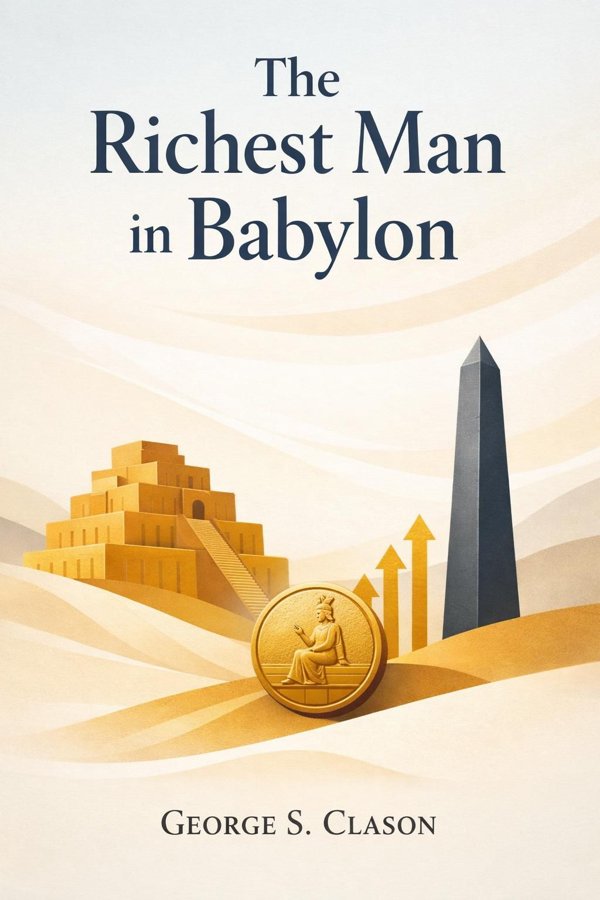
The Richest Man in Babylon
by George Clason
Why does a money book written nearly a century ago still feel surprisingly modern? Because The Richest Man in Babylon is not really about Babylon—it is about human behavior. George Clason wraps core financial principles in memorable parables about workers, merchants, lenders, and dreamers, showing that the biggest money problems people face today—overspending, debt, poor investing, and lack of planning—are the same ones people have always faced. That is exactly why this book remains a classic in personal finance. First published in 1926, the book distills wealth-building into clear, repeatable habits: save a portion of every paycheck, control expenses, invest carefully, protect your principal, and seek advice from people who understand money. Clason’s genius lies in making these lessons feel simple without making them shallow. The stories are easy to read, but the ideas are enduring. Clason, an American businessman and writer, became known for his financial parables and practical lessons on thrift and wealth-building. In The Richest Man in Babylon, he offers a timeless framework for anyone who wants more financial security, more freedom, and a healthier relationship with money—whether you are just starting out or trying to rebuild.
Key Takeaways
- 1Arkad: The Richest Man in Babylon — Arkad is the book’s central proof that wealth is usually built, not inherited. He begins as an ordinary scribe with valu…
- 2Start Thy Purse to Fattening — This chapter contains one of the most quoted ideas in personal finance: pay yourself first. Clason’s advice is to keep a…
- 3The Seven Cures for a Lean Purse — This section expands Clason’s philosophy into a step-by-step wealth plan. The seven cures are practical, memorable, and …
 10 min read
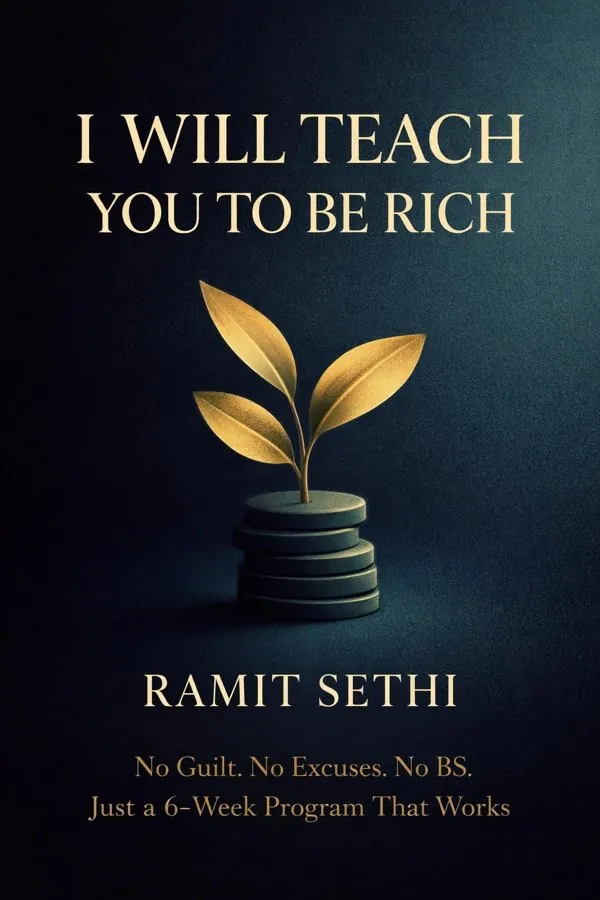
I Will Teach You to Be Rich
by Ramit Sethi
A practical personal finance guide that provides a six-week program to help readers automate their finances, eliminate debt, and build long-term wealth. Ramit Sethi combines behavioral psychology with actionable strategies to help young professionals take control of their money and live a rich life.
Key Takeaways
- 1Week 1 – Optimize Credit Cards — Week 1 begins with something most people misunderstand — credit cards. They aren’t evil; they’re tools. Used smartly, th…
- 2Week 2 – Beat the Banks — Banks are notorious for profiting off laziness — charging hidden fees, underpaying your savings, and preying on confusio…
- 3Week 3 – Get Ready to Invest
 10 min read
No More Mr Nice Guy
by Robert Glover
In this groundbreaking self-help book, Dr. Robert A. Glover identifies the 'Nice Guy Syndrome'—men who try to please others at the expense of their own needs—and offers a practical plan to help them break free from approval-seeking behaviors. Through exercises and real-life examples, Glover guides readers toward developing healthy boundaries, embracing their masculinity, and creating more authentic relationships.
Key Takeaways
- 1Origins of the Nice Guy — No man wakes up one day and decides to become a Nice Guy. These patterns are woven into us early. In my clinical experie…
- 2Characteristics of Nice Guys — By the time a Nice Guy reaches adulthood, certain patterns define his life. He avoids confrontation and seeks harmony at…
- 3The Costs of Being a Nice Guy
 10 min read
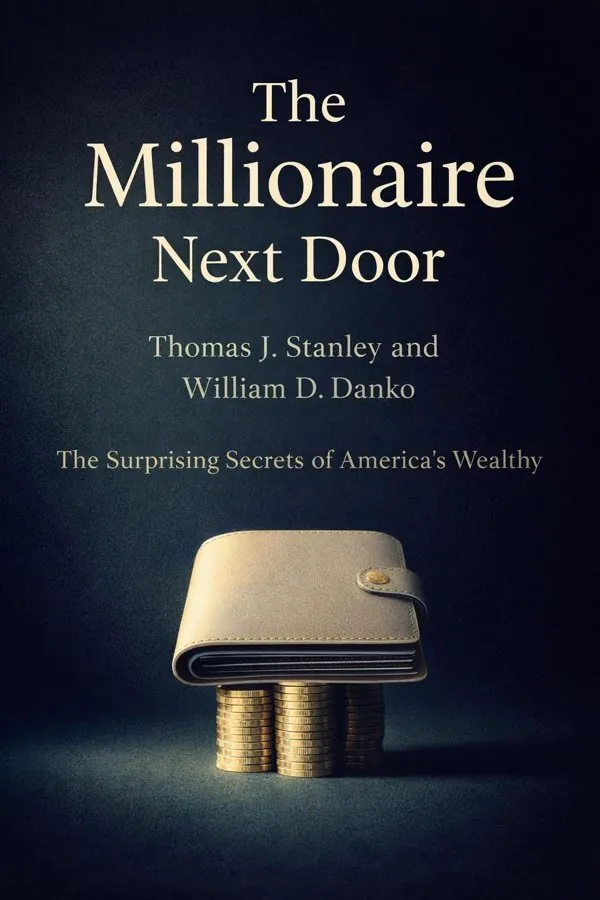
The Millionaire Next Door
by Thomas Stanley
Based on extensive research into the habits and lifestyles of America's affluent, this book reveals how ordinary people accumulate extraordinary wealth. It identifies key behaviors such as frugality, disciplined investing, and living below one's means, contrasting them with the spending patterns of high-income but low-net-worth individuals. The authors provide insights into how financial independence is achieved through consistent, practical choices rather than luck or inheritance.
Key Takeaways
- 1Prodigious Accumulators versus Under Accumulators — In the early stages of our study, we observed a critical phenomenon: not all high-income individuals are wealthy, and no…
- 2Income versus Wealth: The Hidden Equation — Many Americans confuse earning with having. True wealth isn’t determined by how much you make, but by how much you keep …
- 3Frugality: The Cornerstone of Wealth
 10 min read
Hold Me Tight
by Sue Johnson
In this groundbreaking book, Dr. Sue Johnson presents Emotionally Focused Therapy (EFT), a research-based approach to improving romantic relationships. Through seven transformative conversations, couples learn to recognize emotional patterns, rebuild trust, and create lasting bonds of love and security.
Key Takeaways
- 1Understanding Love: The Roots of Adult Attachment — At the heart of Emotionally Focused Therapy lies attachment theory, originally developed by John Bowlby to explain the b…
- 2Recognizing the Demon Dialogues — In the early stages of my clinical work, I noticed recurring patterns of interaction that led couples into despair. I ca…
- 3Conversation 1 – Recognizing the Demon Dialogues
 10 min read
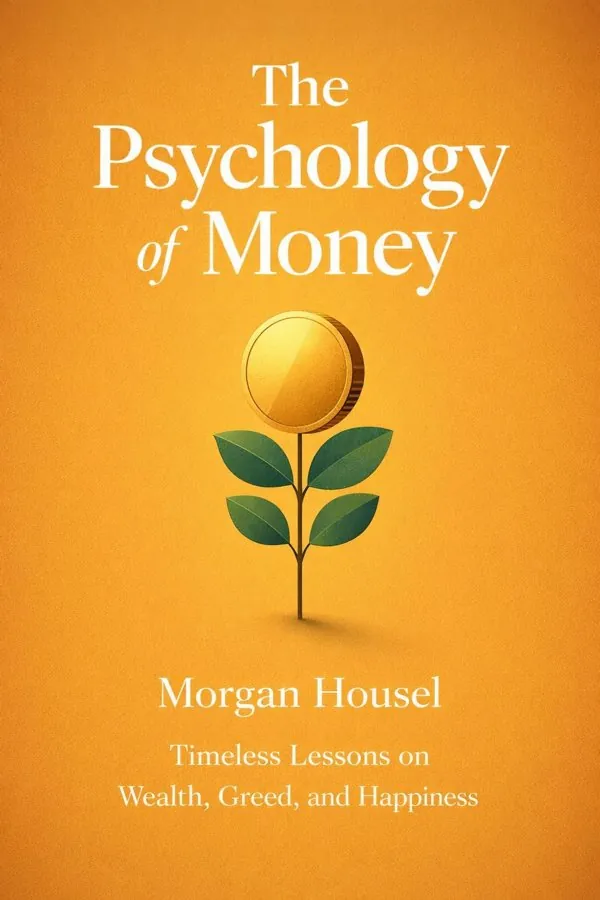
The Psychology of Money
by Morgan Housel
Money is often treated as a math problem, but Morgan Housel argues that it is really a behavior problem. In The Psychology of Money, he explores how wealth, spending, saving, risk, and happiness are shaped less by spreadsheets and more by emotion, ego, fear, luck, and personal history. The book explains why smart people can make poor financial decisions, why average people can build remarkable wealth, and why doing well with money has more to do with temperament than raw intelligence. Rather than offering complicated formulas or market predictions, Housel focuses on the habits and mindsets that drive long-term financial success. His lessons are practical, memorable, and rooted in stories from investors, business leaders, and everyday people. As a respected financial writer and former columnist for The Wall Street Journal and The Motley Fool, Housel brings both credibility and clarity to the subject. This book matters because it helps readers build a healthier relationship with money, make better decisions under uncertainty, and define success on their own terms.
Key Takeaways
- 1Money Decisions Are Driven by Behavior — One of the most important truths about money is that people do not make financial decisions on spreadsheets alone. They …
- 2Compounding Rewards Patience More Than Brilliance — The most extraordinary results in finance often come from ordinary actions repeated for a very long time. Housel emphasi…
- 3Saving Gives Power and Peace — Many people think of saving as delayed consumption, but Housel reframes it as a source of control, flexibility, and emot…
 10 min read
Mating in Captivity
by Esther Perel
A provocative exploration of the paradoxical relationship between domesticity and sexual desire, this book examines how couples can sustain erotic vitality in long-term relationships. Drawing from her experience as a psychotherapist, Esther Perel challenges conventional notions of intimacy and offers insights into balancing love and desire in modern partnerships.
Key Takeaways
- 1The Paradox of Love and Desire — In every long-term relationship, a paradox lives quietly between the sheets: the more we secure the bond of love, the ha…
- 2When Intimacy Suppresses Eroticism — Modern culture reveres emotional intimacy as the pinnacle of love. We are taught that the healthiest relationships are t…
- 3The Roots of Desire: Imagination, Distance, and Mystery
 10 min read
Your Money or Your Life
by Vicki Robin
This book presents a nine-step program designed to help readers transform their relationship with money, achieve financial independence, and live more mindfully. It guides readers to get out of debt, develop savings, align spending with personal values, and ultimately create a life that is both financially and emotionally fulfilling.
Key Takeaways
- 1Step 1 – Making Peace with the Past — The journey begins by turning inward. To reclaim your relationship with money, you must start by acknowledging the full …
- 2Step 2 – Being in the Present — Having faced your past, you turn your attention to the present moment — where awareness lives. The second step demands m…
- 3Step 3 – Where Is It All Going?
Want the full summary?
Get instant access to this book summary and 500K+ more with Fizz Moment.
Get Free SummaryAvailable on App Store • Free to download
About This List
Your twenties define the rest of your life. These books give you the frameworks for making smart decisions about career, money, relationships, and identity.
This list features 15 carefully selected books. With FizzRead, you can read AI-powered summaries of each book in just 15 minutes. Get the key takeaways and start applying the insights immediately.
Ready to start reading?
Get instant access to all 15 book summaries and 500K+ more with FizzRead.