
Paulo Coelho's Spiritual Reading Journey
Explore the books that inspire Paulo Coelho, the beloved author of The Alchemist. A collection of spiritual and philosophical masterpieces.
 10 min read
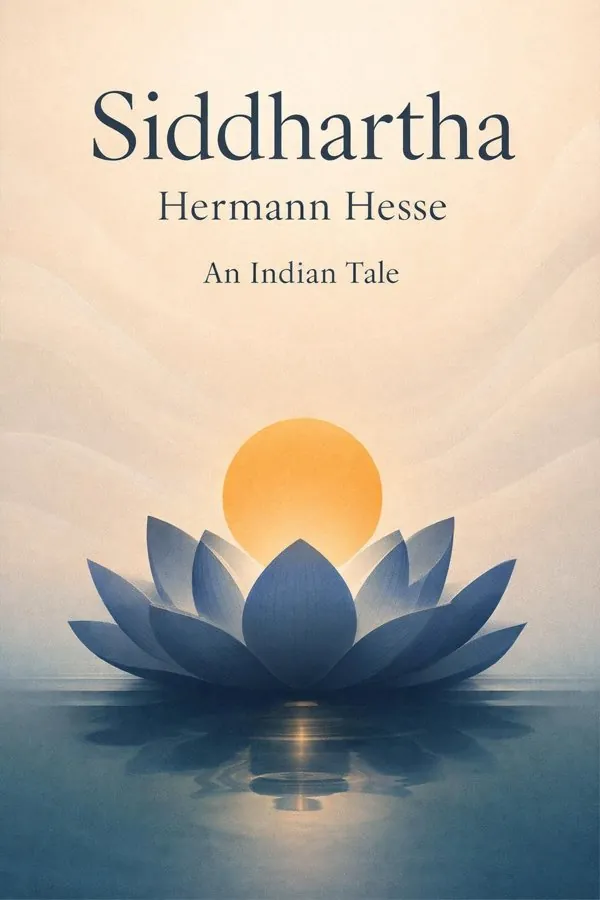
Siddhartha
by Hermann Hesse
Siddhartha is a 1922 novel by Hermann Hesse that follows the spiritual journey of a young man named Siddhartha during the time of the Buddha. Seeking enlightenment, Siddhartha explores asceticism, sensuality, and self-discovery, ultimately realizing the unity of all existence. The book is celebrated for its profound philosophical insights and its synthesis of Eastern and Western thought.
Key Takeaways
- 1The Dissatisfied Brahmin — I first met Siddhartha as a radiant young man, a Brahmin’s son whose life seemed already blessed. He was admired for his…
- 2Life with the Samanas and the Encounter with the Buddha — Life among the Samanas taught Siddhartha self-denial, but also the limits of renunciation. Under the harsh sun, he learn…
- 3The Worldly Years: Kamala and Kamaswami
 10 min read
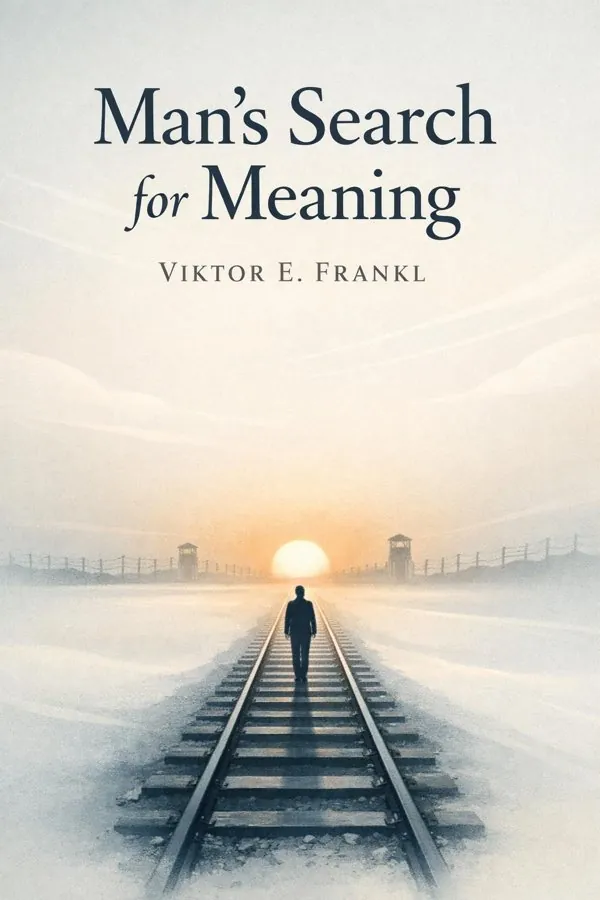
Man's Search for Meaning
by Viktor Frankl
What keeps a person going when everything familiar has been taken away—comfort, identity, loved ones, freedom, and even the expectation of tomorrow? That is the unbearable and essential question at the heart of *Man's Search for Meaning*. Viktor E. Frankl’s landmark book is far more than a Holocaust memoir. It is a profound study of human endurance, an examination of suffering, and a practical philosophy for anyone trying to live with purpose in hard times. Drawing on his experiences in Nazi concentration camps, Frankl explores how people respond when life is reduced to its barest terms and why some still manage to preserve dignity, hope, and inner freedom. What makes this book endure is that Frankl does not offer empty inspiration. He writes as an Austrian neurologist, psychiatrist, and Holocaust survivor who later developed logotherapy, a school of psychotherapy centered on meaning as the primary human motivation. His insight is simple but life-changing: even when we cannot change our circumstances, we can still choose our response. That idea has made this book one of the most influential works in psychology and self-help, especially for readers facing grief, burnout, uncertainty, or the quiet fear that life has lost direction.
Key Takeaways
- 1The Shock of Arrival and the Dehumanization of Camp Life — When Frankl first arrived at Auschwitz, the destruction of the self began immediately. The process was systematic: priso…
- 2Emotional Detachment and the Apathy that Defines Survival — After the first shock came a second psychological stage: apathy. Frankl shows that this numbness was not indifference in…
- 3Moral Choice and Inner Freedom in the Midst of Suffering — One of the book’s most powerful claims is that even under extreme oppression, a human being retains a final freedom: the…
 10 min read
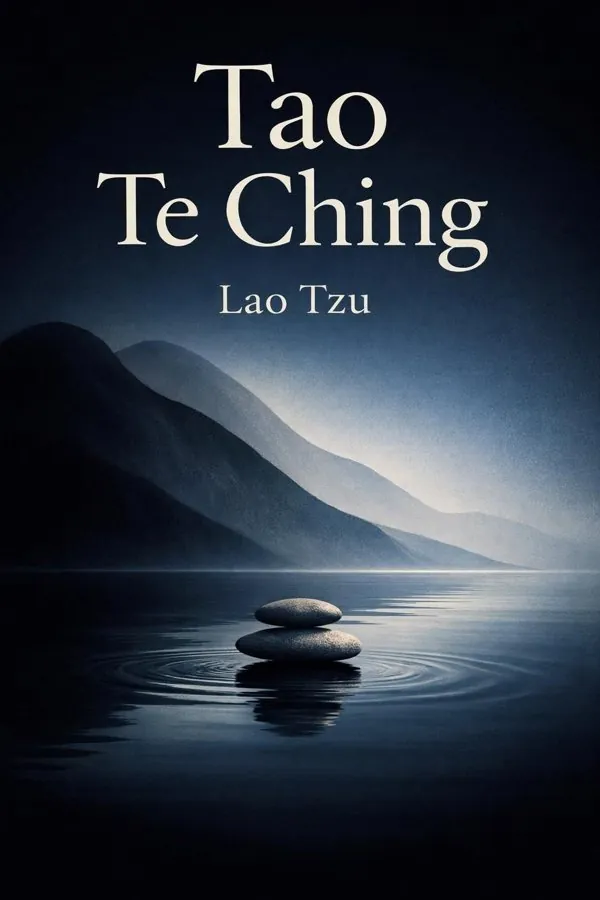
Tao Te Ching
by Lao Tzu
Few books have shaped spiritual thought, leadership, and personal reflection as deeply as the Tao Te Ching. Though brief in length, this ancient classic opens a surprisingly vast way of seeing life: one that values stillness over strain, humility over ego, and alignment over force. At a time when modern life often rewards speed, control, and constant self-assertion, the Tao Te Ching offers a radically different path. It suggests that the most effective way to live is not by pushing harder, but by moving in harmony with the deeper patterns of existence. Attributed to Lao Tzu, the revered sage traditionally associated with the founding of Daoism, this text has endured for more than two millennia because it speaks to timeless human struggles: how to lead without dominating, act without exhausting yourself, and find peace in a world of change. Divided into reflections on the Tao, or the Way, and Te, often translated as virtue or inner power, the book blends poetic paradox with practical wisdom. Its teachings on non-action, simplicity, and natural balance continue to influence philosophy, politics, spirituality, and self-development around the world.
Key Takeaways
- 1Introduction to the Tao — The Tao is the starting point of the entire book, yet Lao Tzu immediately tells us it cannot be fully captured in langua…
- 2The Nature of the Tao — Lao Tzu describes the Tao through paradox because ordinary logic cannot contain it. It is empty, yet never used up. It i…
- 3Wu Wei (Non-Action) — Wu wei is one of the most misunderstood ideas in the Tao Te Ching. It does not mean laziness, passivity, or refusing to …
 10 min read
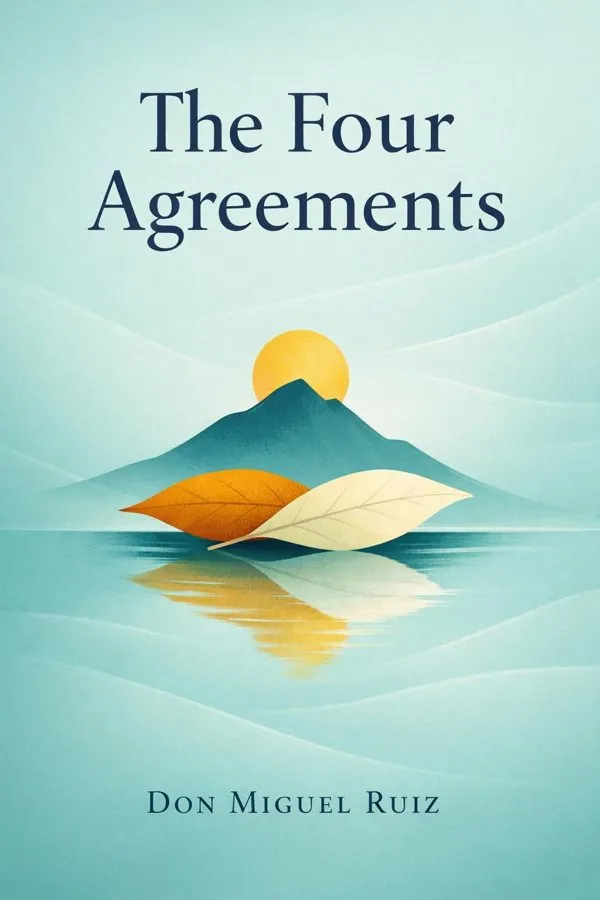
The Four Agreements
by Don Miguel Ruiz
What if much of your stress, shame, conflict, and self-doubt came not from reality itself, but from invisible rules you learned long ago and never questioned? That is the life-changing premise at the heart of *The Four Agreements*. In this modern self-help classic, Don Miguel Ruiz draws on Toltec wisdom to show how people become trapped by limiting beliefs, harsh self-judgment, and fear-based habits—and how they can break free through four simple but demanding practices. The power of the book lies in its clarity: Ruiz does not offer a complicated philosophy or a rigid system, but a practical code for speaking, relating, thinking, and acting with greater awareness. His four agreements—be impeccable with your word, don’t take anything personally, don’t make assumptions, and always do your best—sound simple on the surface, yet they challenge the patterns that drive everyday suffering. Ruiz is best known as a Mexican author and spiritual teacher whose work centers on personal transformation through Toltec-inspired insight. For readers seeking emotional freedom, healthier relationships, and a calmer inner life, *The Four Agreements* remains one of the most accessible and transformative books in the personal growth space.
Key Takeaways
- 1The Domestication of Humans and the Book of Law Within — Ruiz begins by explaining that human beings are “domesticated” in much the same way animals are trained: through reward,…
- 2The First Agreement: Be Impeccable with Your Word — Ruiz describes the word as a creative force. Language shapes identity, influences relationships, and directs attention. …
- 3The Second Agreement: Don’t Take Anything Personally — This agreement is Ruiz’s antidote to one of the most common sources of emotional pain: the belief that other people’s wo…
 10 min read
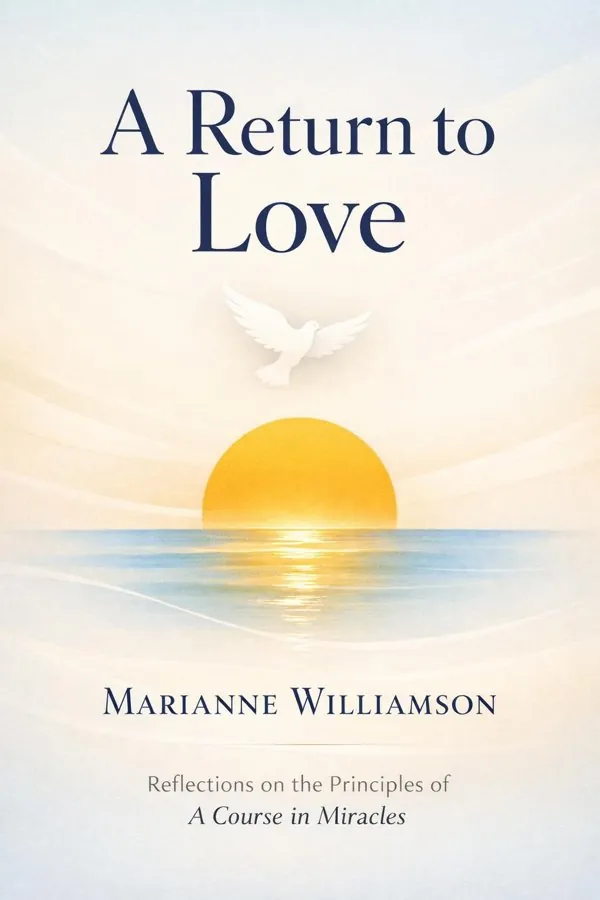
A Return to Love
by Marianne Williamson
A Return to Love es una obra espiritual en la que Marianne Williamson explora los principios de 'A Course in Miracles' y cómo el amor puede ser una fuerza transformadora en la vida cotidiana. A través de reflexiones personales y enseñanzas prácticas, la autora invita a los lectores a reemplazar el miedo por el amor como guía fundamental para alcanzar la paz interior y la sanación.
Key Takeaways
- 1The Concept of Miracles — When I first heard the word miracle, I thought of something spectacular—burning bushes, the parting of seas. But *A Cour…
- 2Love versus Fear — At the heart of this work is a simple but revolutionary premise: everything is either love or a call for love. Fear, the…
- 3The Ego and Separation
 10 min read
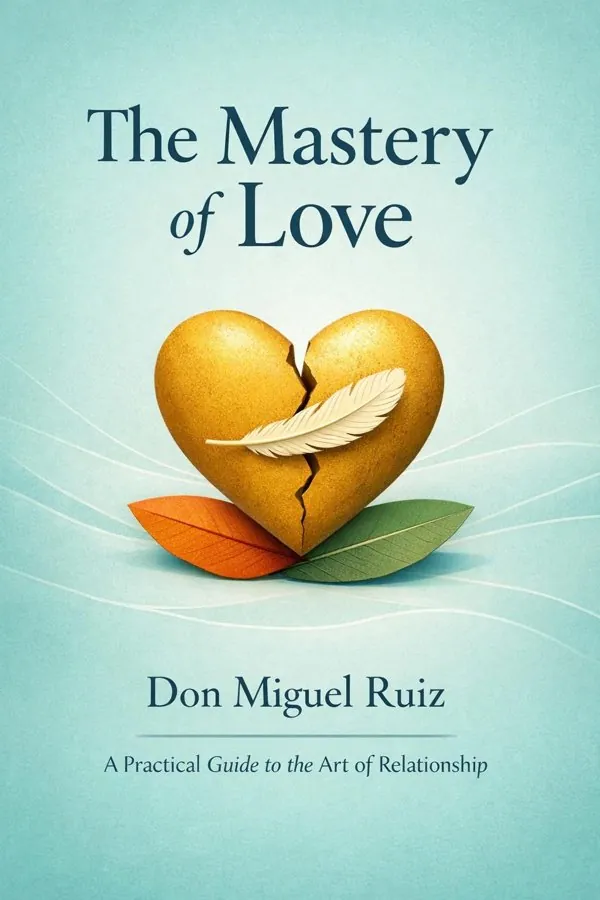
The Mastery of Love
by Don Miguel Ruiz
In this book, Don Miguel Ruiz explores the fear-based beliefs and assumptions that undermine love and lead to suffering and drama in relationships. Drawing from ancient Toltec wisdom, he offers practical guidance for cultivating self-love, healing emotional wounds, and building authentic, compassionate connections with others.
Key Takeaways
- 1The Wounded Mind and the Birth of Fear — From childhood, we absorb the emotional wounds of those around us. Our parents, teachers, and society do not intend to h…
- 2The Parasite: Fear’s Voice Within — Fear does not just live loosely in the mind; it takes root and begins to feed on your emotional energy. I call this inne…
- 3The Myth of Love: Seeking Outside What Lives Within
Want the full summary?
Get instant access to this book summary and 500K+ more with Fizz Moment.
Get Free SummaryAvailable on App Store • Free to download
About This List
Explore the books that inspire Paulo Coelho, the beloved author of The Alchemist. A collection of spiritual and philosophical masterpieces.
This list features 6 carefully selected books. With FizzRead, you can read AI-powered summaries of each book in just 15 minutes. Get the key takeaways and start applying the insights immediately.
Ready to start reading?
Get instant access to all 6 book summaries and 500K+ more with FizzRead.